My name is Krishiv Gupta and I am a student of Grade 10

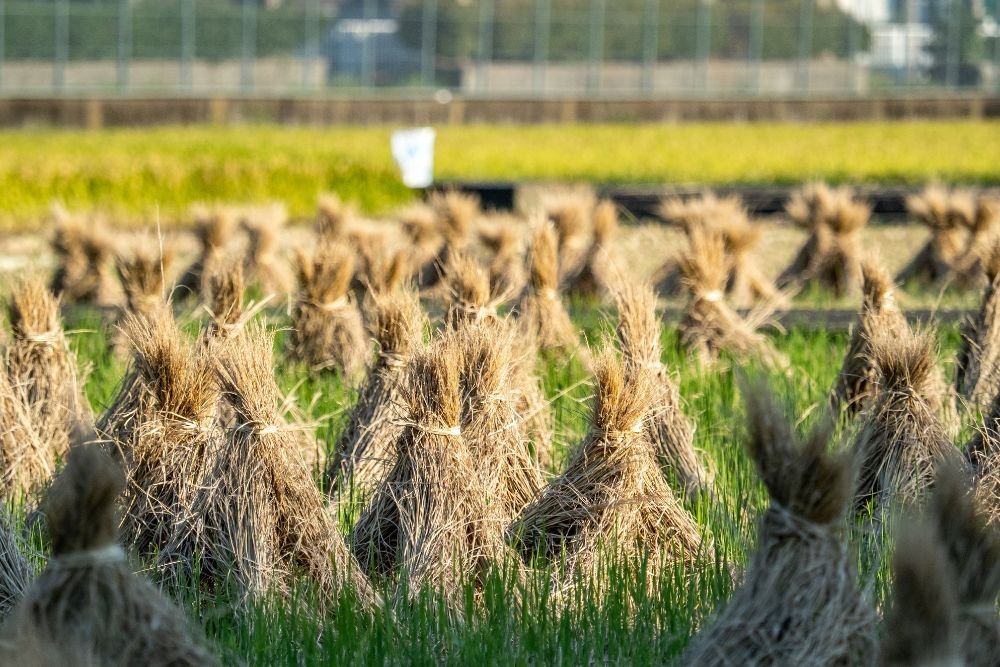
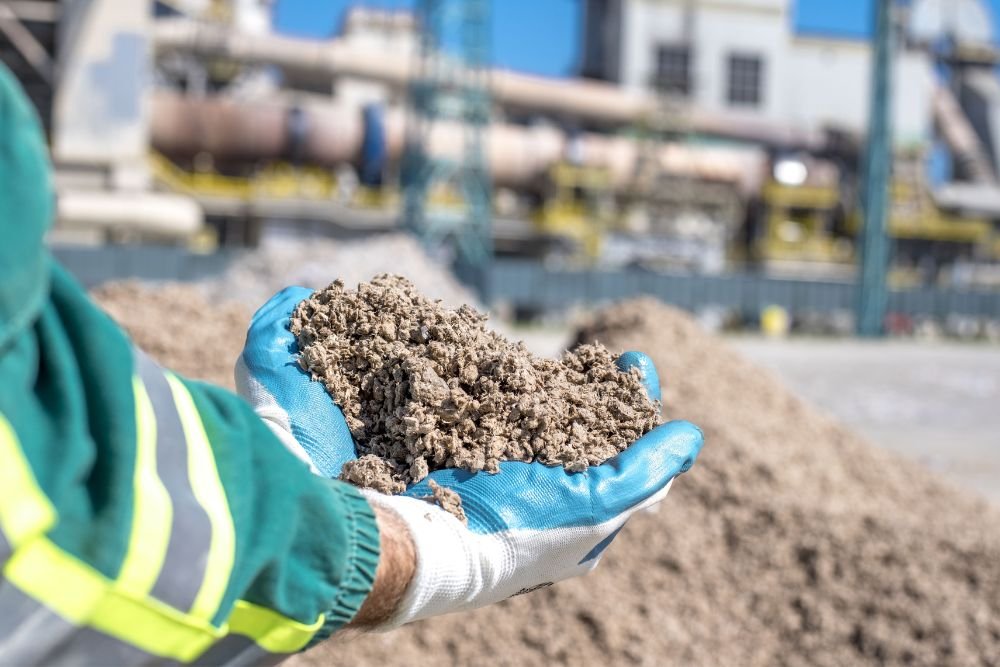
EcoBinder is a student-led project where I explore how agricultural waste like rice husk, wheat
straw, and sugarcane bagasse can be used as a partial replacement for cement.

About the Project and Me

My name is Krishiv Gupta, and I am a Grade 10 student. I am passionate not only about my academics but also about finding ways to give back to the society that has helped me grow.

As I have grown older and been exposed to new fields of interest, I have developed a particular interest in real estate. This interest stems not only from my parents being real estate developers in Mumbai, but also from my own curiosity about the process of constructing buildings and delivering them to members of society. I have always found this concept both fascinating and meaningful.

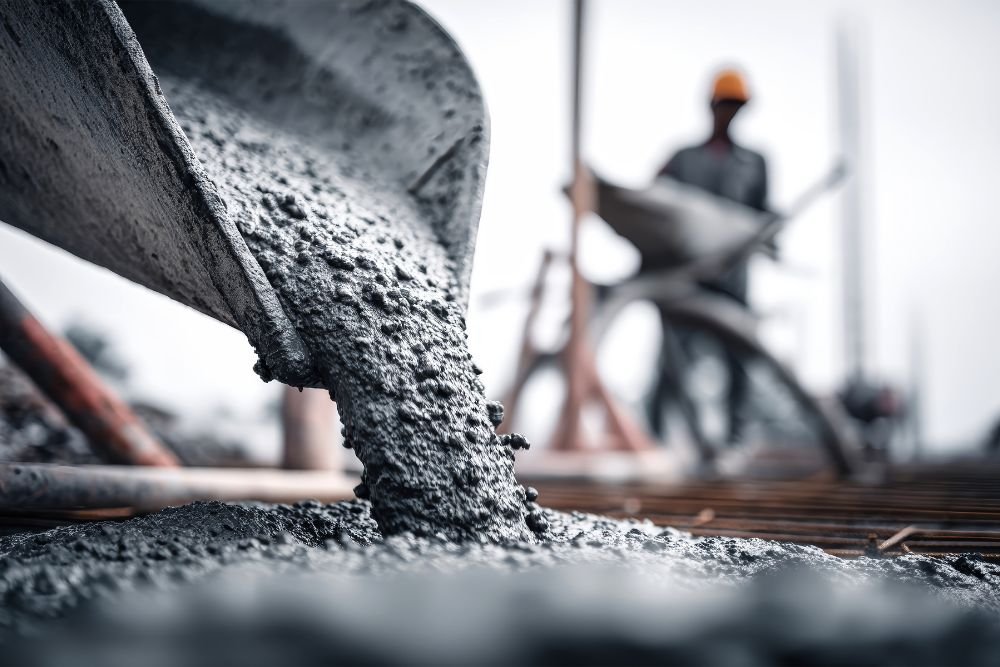
Through my journey in real estate, I have learned about the importance of cement in construction. However, I often found myself questioning its negative impact on the environment. I began to look for alternatives that could reduce the amount of cement used, thereby contributing to cleaner and more sustainable communities.

This search led me to discover rice husk ash, which marked the beginning of my project, EcoBinder.
The research stage of this project was integral to its development and overall direction. The idea began when I started thinking about whether cement could realistically be replaced, even partially, by a more sustainable material.

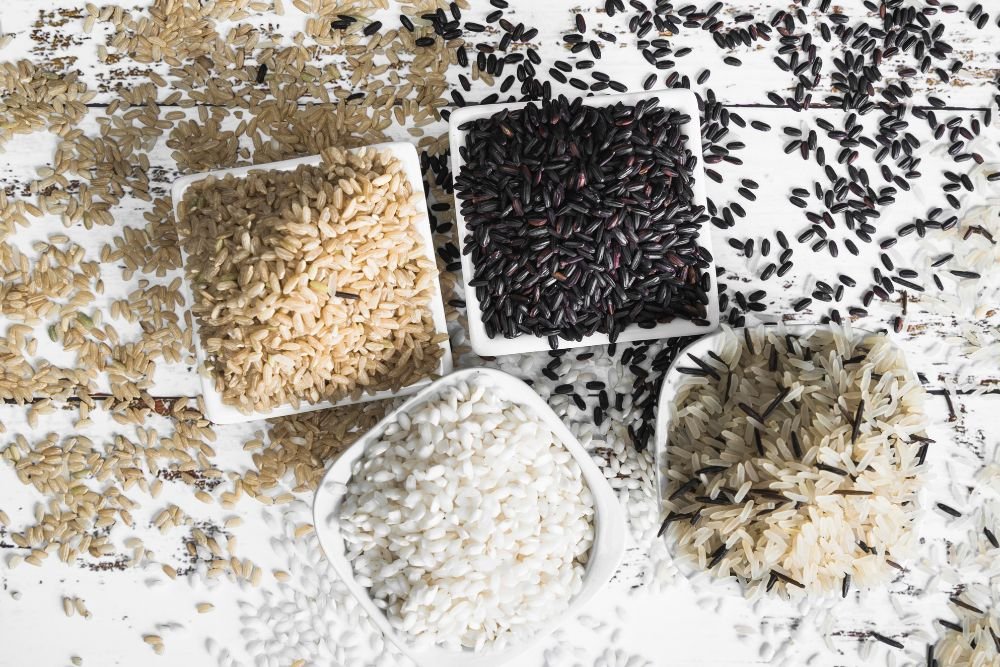
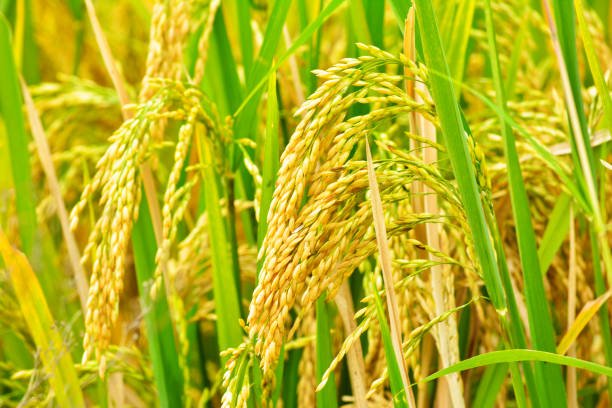
Rice / Rice husk

  • Uttar Pradesh (UP) – top paddy producing state (large volumes, many rice mills).
  • Punjab – high productivity; very large paddy residue problem (stubble burning).
  • West Bengal – one of the largest producers by volume.
  • Telangana / Chhattisgarh / Odisha — also significant pockets of paddy. Why target: rice mills concentrate husk (easy to aggregate) and many states have ongoing stubble-management programmes offering collection support.

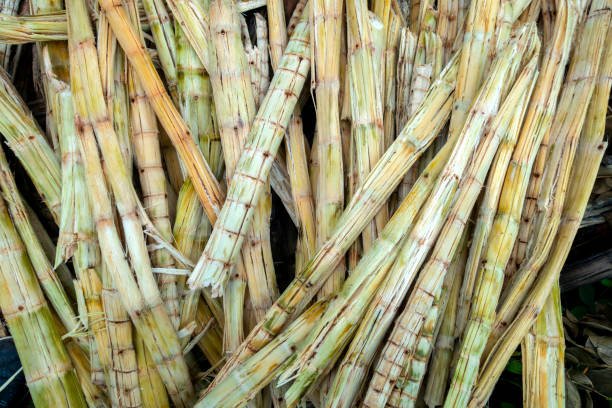
Sugarcane / Bagasse

  • Uttar Pradesh — largest sugarcane producer.
  • Maharashtra — second-largest sugarcane production and many sugar mills. Karnataka,
  • Tamil Nadu — important sugarcane regions with many mills. Why target: sugar mills produce bagasse on-site (fuel for boilers) and generate ash streams — this is a point-source collection opportunity.

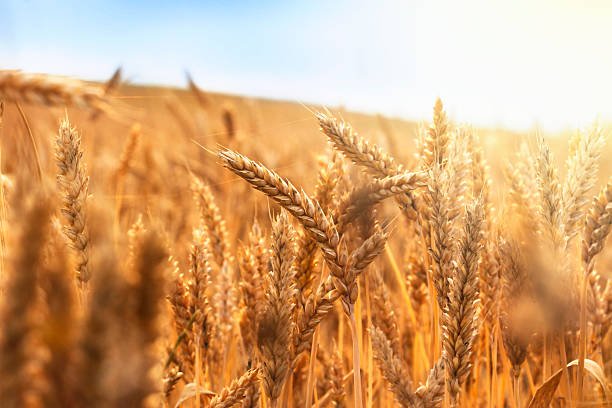
Wheat / Wheat straw

  • Uttar Pradesh — largest wheat production and therefore largest straw pool.
  • Punjab, Haryana, Rajasthan — high straw generation and also high stubble-burning incidence (Punjab has ambitious straw-management targets).Why target: wheat straw is abundant and often left in fields; it requires ex-situ collection or conversion (pelletisation, baling) before being turned into ash or used in composites.
  • Rice mills / parboiling units: collect husk directly (already separated). Good first contact point for RHA feedstock.
  • Sugar mills & cogeneration plants: bagasse and bagasse ash are produced at the plant (ash may be available from boilers). Contact mill management or ash-handling units.
  • Large farms / FPOs / cooperatives: can supply bales of straw or husks; organized farmer-producer organisations (FPOs) are often easier to negotiate with.
  • Biomass power plants / 2G ethanol distilleries / pellet plants: may have ash or off-spec feedstock streams.
  • Local mandis (grain markets): for aggregated grain byproducts and straw bales; good for small-scale off-takers.
  • Municipal / industrial partners: brick-kilns or ash-processing units that may already accept agri-ash for fuel or blending.

Get in Touch

Contact Form Demo