Research & Mapping
Research & Mapping
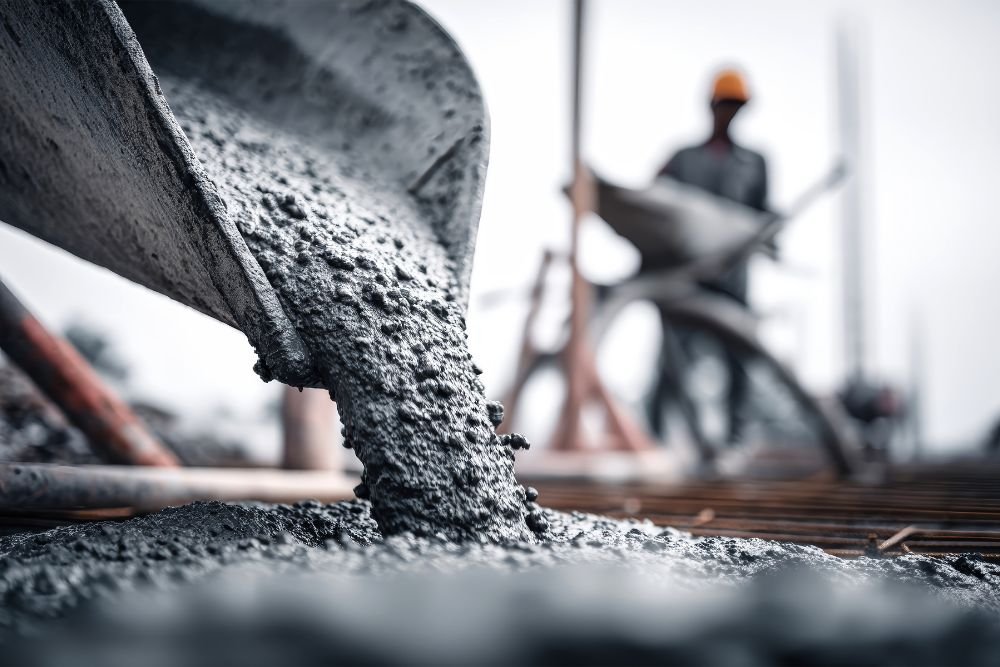
The research stage of this project was integral to its development and overall direction. The idea began when I started thinking about whether cement could realistically be replaced, even partially, by a more sustainable material. This thought first occurred to me while visiting Viyaara’s construction site in Navi Mumbai. Viyaara is a family business, and at our Talreja site, I observed how cement waste runoff could enter nearby water bodies and contribute to pollution. Although the issue was addressed immediately at the site, I realised that this problem was not isolated and could persist across many construction projects. Seeing this firsthand made it clear to me that relying solely on cement has environmental consequences, and it was at this point that I knew research into alternative, more sustainable materials was necessary.
Initially, I created a long list of possible alternatives, which included rice husk ash, wheat straw, hemp, and several other crop-based materials. Each option was evaluated based on how easily it could be sourced, processed, and realistically adopted by builders. After comparing these materials, I decided to focus on rice husk ash mainly because of its wide availability in India.
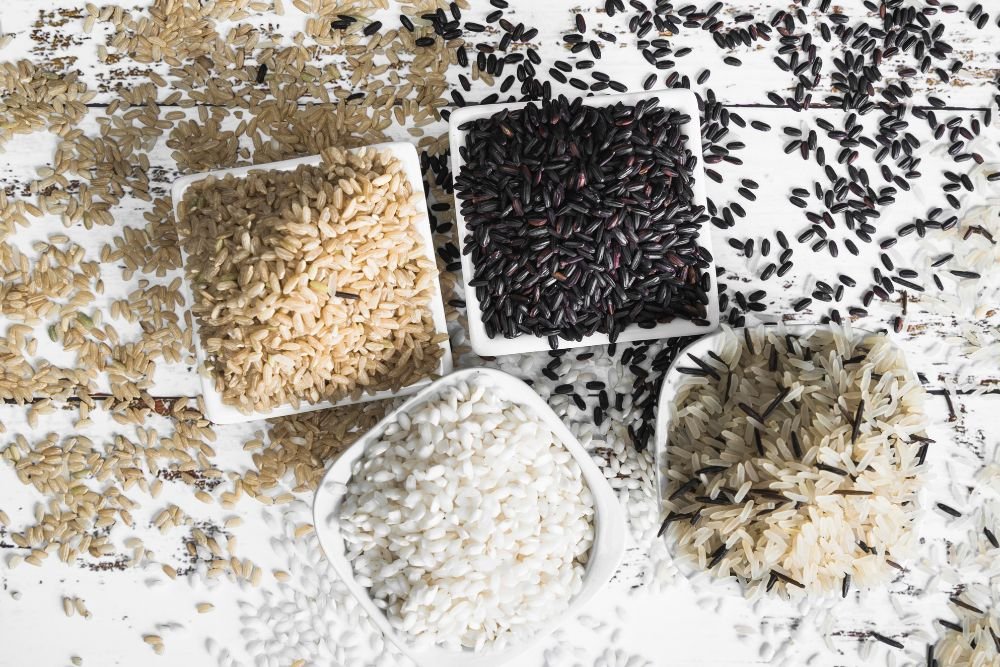
It is important to understand that India still relies heavily on the primary sector, particularly agriculture. Farming and livestock rearing have been practiced for generations and continue to support a large portion of the population today. Rice is one of the most commonly grown crops in the country, and after the harvesting season, especially around the months of October and November, large areas of paddy fields are burned. These burnings produce significant amounts of ash, specifically rice husk ash. The volume generated on a daily basis is extremely large, and since these burnings continue for several weeks, tonnes of ash accumulate over time
This massive supply, combined with very limited demand, makes rice husk ash far more accessible than many other alternatives. In contrast, materials such as hemp present several challenges. Hemp is closely associated with the production of medicinal and recreational drugs, which means that its cultivation and use are highly regulated. Acquiring hemp requires multiple licenses, and even after obtaining approval, there are strict protocols governing its growth, handling, and application. I realised that these legal and administrative barriers would make hemp impractical and unattractive for widespread use in the construction industry. For this reason, I decided to move forward with further testing and research focused on rice husk ash as the most viable and realistic option.